

Restorative Treatment

What are my options?
If you have gaps where the teeth are missing, your dental team can help you decide whether you would like these teeth to be replaced.
There are different ways to replace missing teeth. The options for you will depend on:
- How many teeth are missing
- The size of the spaces where the teeth are missing
- The jaw bone where the teeth are – this is important for dental implants
- How your teeth bite together and the position of the teeth that you have
The dental team can talk to you about which options might work for you. Many people need to have orthodontic treatment first. This can sometimes close a gap where there is a tooth missing, so that no replacement tooth is needed, or to move the teeth so that the gaps are the right size for the planned replacement teeth.
Replacing Missing Teeth
- A removable denture or plate
- Replacement teeth held in place by being attached to the teeth next to the space. This is called a bridge.
- A replacement held in place by being attached to a dental implant
- A natural tooth is transplanted from another part of your mouth
Different types of tooth replacement take different amounts of time and expertise to do. It is important that you talk to the dental team about:
- How long treatment will take?
- How long the replacement teeth are expected to last?
- How much it will cost you in the future to look after the replacement teeth?
- What will you need to do each day to look after your replacement teeth?
- Are there any risks?
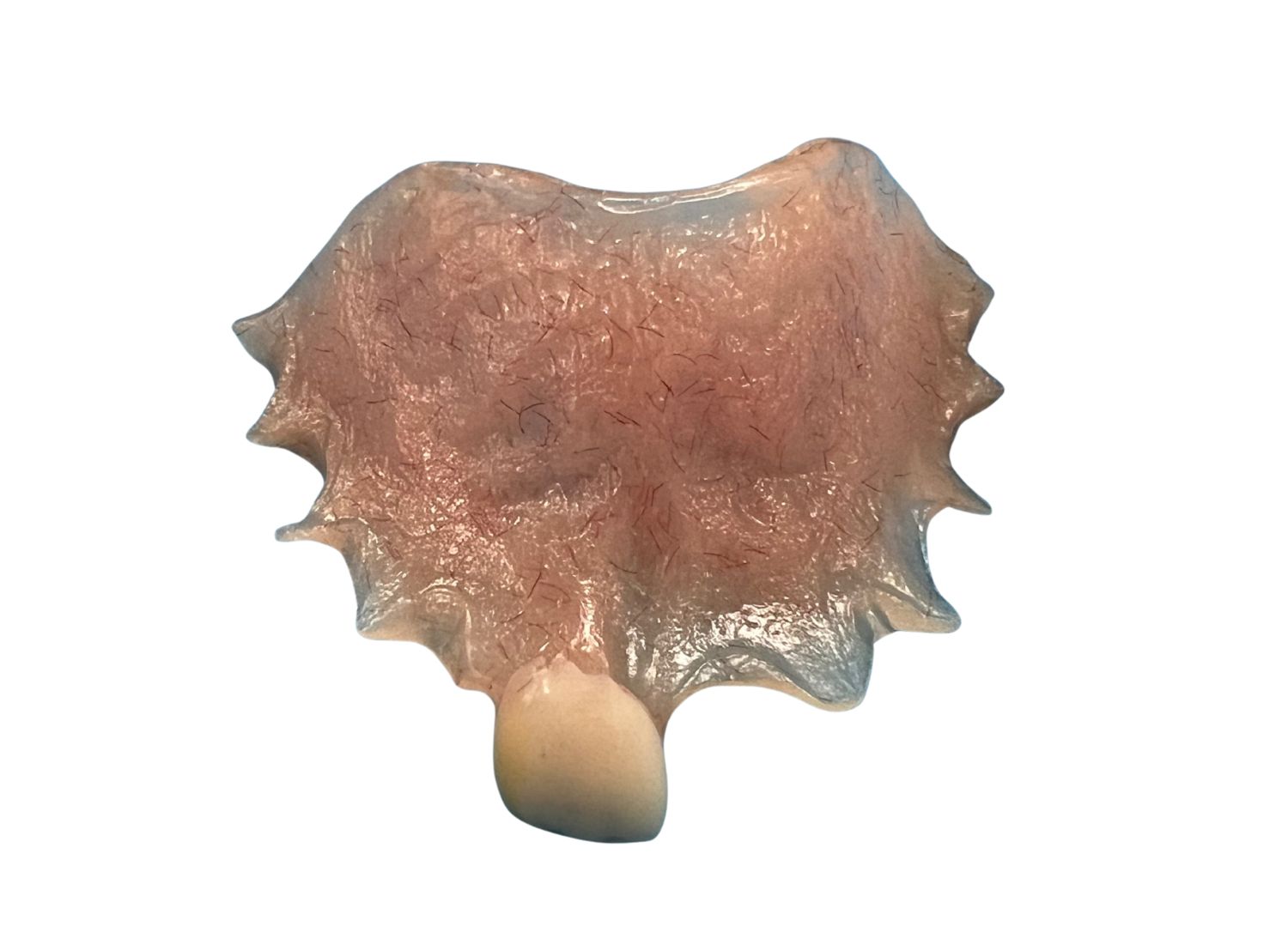
Denture
A denture is a removable tooth replacement made of acrylic usually held in place using metal clips around some of the natural teeth. The teeth are made of acrylic and the plate is made of either acrylic or metal. Dentures are not fixed into the mouth so you can take the plate out to clean it.
The advantages of dentures are:
- They can look very good and natural
- They can replace lots of missing teeth
- Sometimes a denture is a better option than other tooth replacement solutions
The main disadvantage is that some people do not like that they are not fixed in the mouth.
Bridge
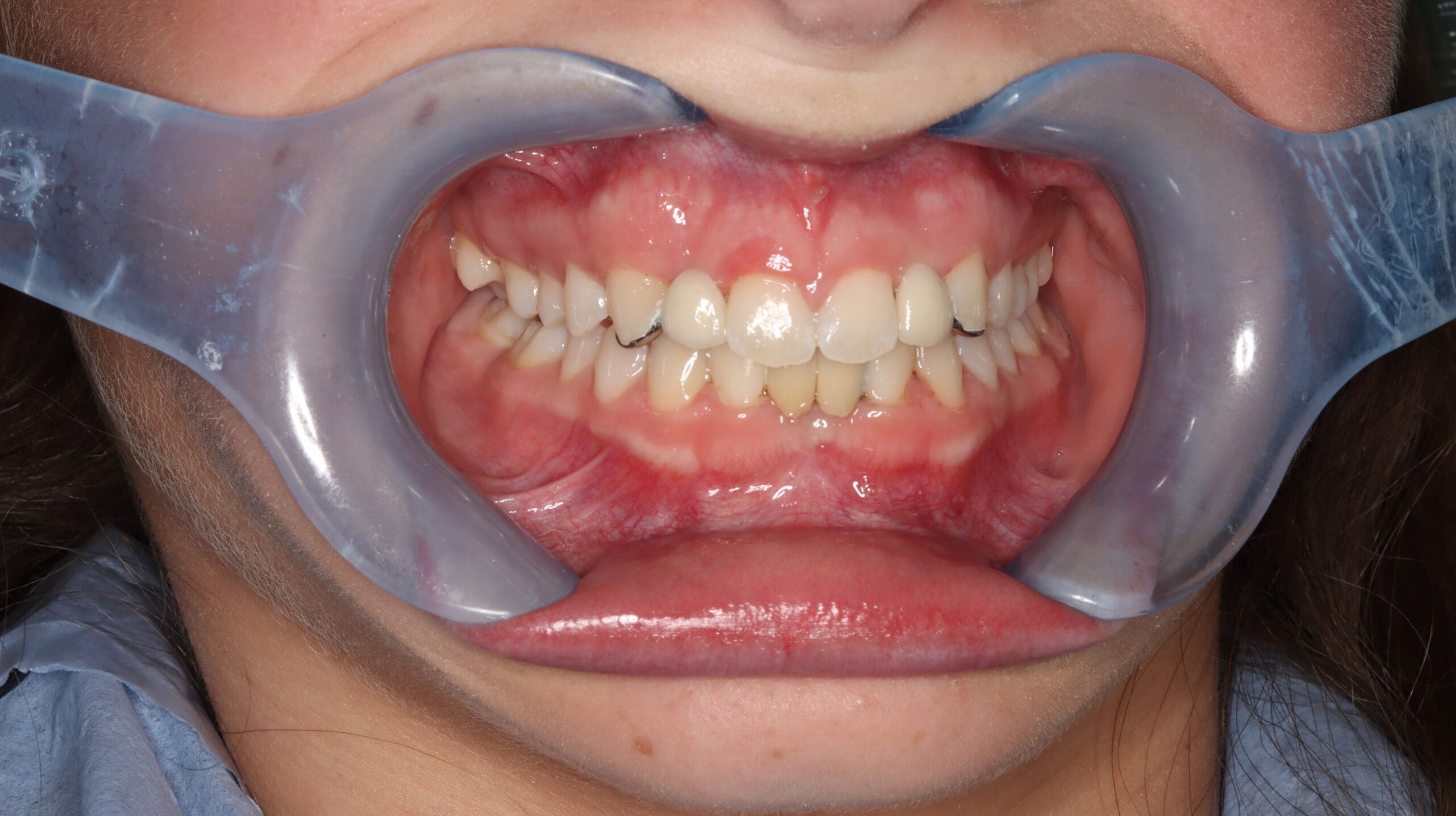
A bridge is a replacement tooth that is attached to a tooth or teeth next to the space. A bridge can be used to replace one or more teeth.
There are two types of bridges that can be used. The design depends on how the replacement tooth attaches to the adjacent natural teeth:
- An adhesive bridge (also called a resin-bonded bridge) – this is attached by a thin metal or tooth coloured wing on the hard enamel on the back and biting surface of the tooth next to the space using strong glue. The teeth sometimes need to be reshaped on their surface.
- A conventional bridge – this is a tooth replacement held in by a cap (or ‘crown’) on the teeth next to the space. Some of the tooth needs to be removed to make space for the cap.
Bridges can last a long time but, like all tooth replacement options, might need replacing because
- The false tooth does not match the natural teeth anymore (because they have changed colour or the gum has receded)
- There has been a problem with the tooth supporting the bridge. This might be tooth decay or gum problems
- The bridge can become unstuck

Conventional Bridges

Adhesive Bridges

Helping You Make A Choice:
Advantages
- They are fixed in the mouth
- They can look very good
- Adhesive bridges can sometimes be reattached if they come loose
- If an adhesive bridge comes out the natural teeth are usually undamaged
Disadvantages
- Sometimes they can come unstuck and fall out
- You need a strong, healthy tooth next to the gap.
- Conventional bridges are more destructive of the natural teeth they are attached to
- The metal wing of an adhesive bridge can sometimes be visible
Dental Implants
A dental implant is a titanium metal screw placed into the jaw bone. Over a few months the jaw bone heals around the implant so it becomes anchored firmly in the bone. Replacement teeth can be attached to the implants either as a fixed replacement or to hold a removable denture in place.
For an implant to be possible, there must be enough height and width of healthy jaw bone in the right position for the size of the planned implant. There must also be enough room between the roots of the natural teeth each side of the space. If the roots of the teeth are too close together under the gum, this can mean there is no room for an implant, even if the space between the teeth look far enough apart in the mouth. Orthodontic treatment can help to make sure the tooth roots are not in the way. X-rays are needed to check this before the braces are taken off. In some cases it is not possible or may not be appropriate to open the space to be big enough for an implant. An example of this is where the teeth are generally small (this is called ‘microdontia’) and the proportions of the tooth replacements may not be aesthetically pleasing.


People with missing teeth sometimes do not have enough bone for an implant where the teeth didn’t grow. It may be possible to add extra bone (‘bone grafting’) and the dental team can explain whether this might be possible and what it would be like to have this done.
Implant treatment usually takes longer than either bridges or dentures and takes more detailed planning. It also requires a small operation. Implants are not generally done until someone is at least 18 years old and at the front of the mouth it is better to wait until later as the jaw bones are still growing.
Implants can very successfully last up to twenty years or more, as long as they are really well looked after. Smoking and poor cleaning increase the risk the implant will fail by losing bone around the implant.
Implant problems can be biological – relating to how the implant is integrated into the bone – or mechanical – relating to the tooth or teeth attached to the implant.
Problems with the replacement tooth attached to the implant. This may be because:
- It no longer looks like the teeth next to it
- The ceramic on the tooth has chipped
- The screw holding the replacement tooth in place comes loose. Sometimes your dentist can re-tighten and the replacement will last a lot longer.
Helping You Make A Choice:
Advantages
- They are fixed in the mouth
- They can look very good
- They are a good option for larger spaces
- They can last a long time
Disadvantages
- Implants treatment needs a surgical procedure
- They need detailed planning and the treatment can take time
- Implants are not always possible if there is not enough space between the teeth (or the jaw bone is not tall or wide enough for the size of the implant)
- Implant treatment can be expensive
- Implant problems can be very complicated and expensive to manage
Tooth auto-transplantation
Auto-transplantation is taking a tooth from one part of the mouth and re-implanting it in a new position. This is a technique that can be used in hypodontia in certain circumstances.
Sometimes people with missing teeth in one part of the mouth may have crowded teeth in another part of the mouth or a tooth that is buried in the jaw bone. If a crowded or buried tooth needs to be removed, sometimes it can be saved and auto-transplanted into the place of a missing tooth.
Tooth auto-transplantation depends on:
- The availability of a suitable tooth to transplant
- Which tooth is missing?
- The space between the teeth and the amount of bone in the position of the missing tooth
- How old you are and how developed the tooth is – different teeth develop at different ages and the amount of tooth development is important for how well auto-transplantation works
If a tooth is auto-transplanted it will need to be monitored and may require additional dental treatment such as a root canal treatment.
The dental team can talk to you more about whether tooth auto-transplantation is an option for you.

Annika’s Story
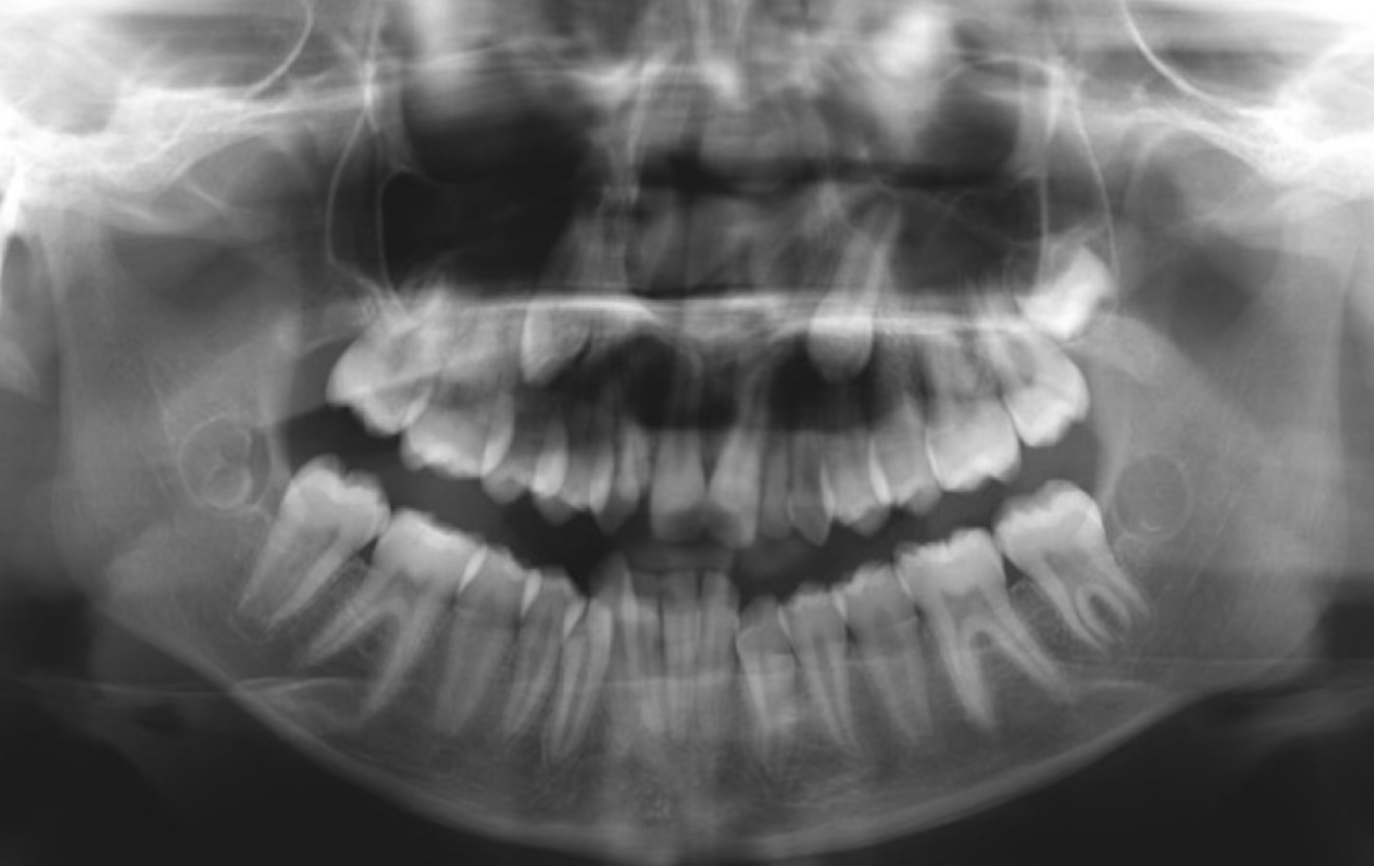
Annika’s teeth looked crooked, so she went to the orthodontist to ask about braces. When the orthodontist took X-rays, they found out that two of Annika’s grown-up front teeth were missing. Some of her baby teeth were still there, and her canine teeth were growing in the wrong place. The orthodontists wanted to find a way to help Annika keep her own teeth, instead of having false ones. The team used a special treatment called auto-transplantation. This meant they carefully moved Annika’s canine teeth into the spaces where her missing front teeth should have been. Afterwards, braces were used to straighten her smile.
The happy result
Annika didn’t need false teeth – she had her very own natural teeth in the right place! She chose to keep them just the way they were, but if she wanted, the dentist could have changed their shape a little to look more like her other front teeth.